
Gallery · Haldwani, Uttarakhand
Work we are allowed to show you
Every photograph on this page is the salon's own work, taken in the salon, published only after the guest has agreed to it in writing. That standard is slower than filling a page with stock images — and it is the only reason anything here is worth looking at.
What is published here, and what never will be
A beauty gallery is the easiest page on any salon website to fake, which is exactly why ours is built the way it is.
Nothing appears here unless it is our own work, photographed in this salon, with the guest's consent recorded afterwards rather than assumed on the day. Consent can be withdrawn at any time and the photograph comes down at the next update — no negotiation, no exception for a picture we are proud of.
A category we cannot yet show properly is not listed at all. There is no empty page here waiting to be filled, and no before-and-after we cannot stand behind: a pair is published only where the same guest, the same sitting and the consent for both frames are all on record.
-
Our own work only
No stock photography, no other salon's results, no supplier imagery.
-
Consent recorded, and revocable
Asked after the appointment, in writing, and withdrawable at any time.
-
The result, not a retouch
Photographs are not edited to change hair, skin or the outcome shown.
-
A thin category is not listed
No placeholder page, no borrowed image, no invented before-and-after.
Browse by category
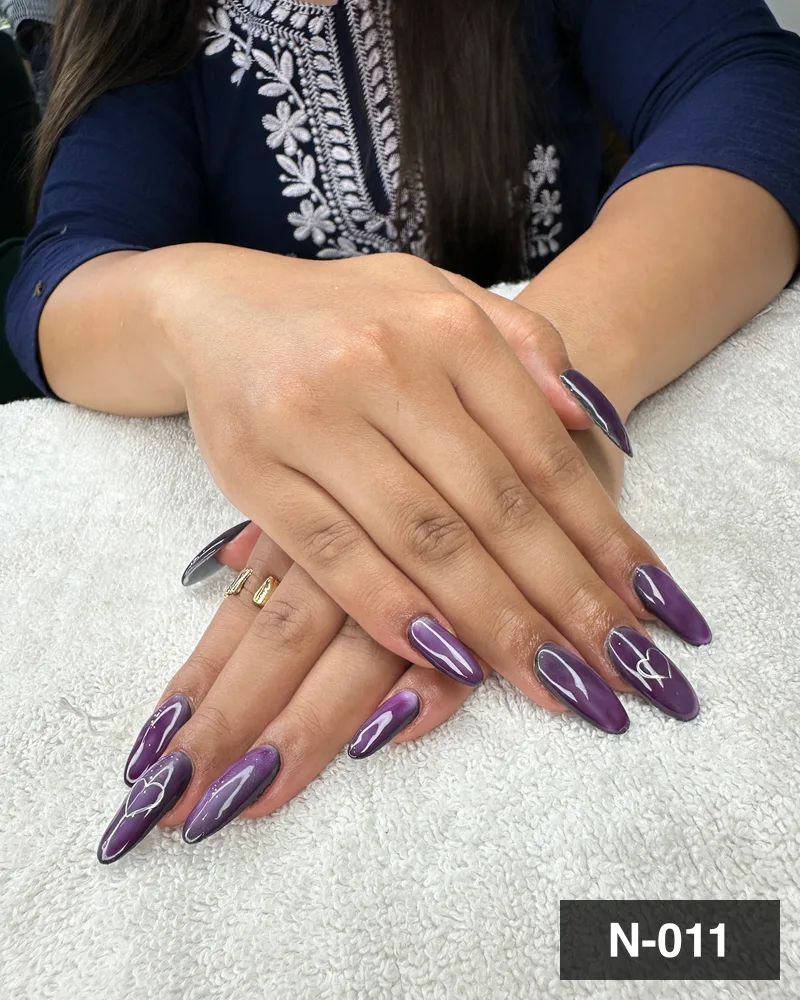
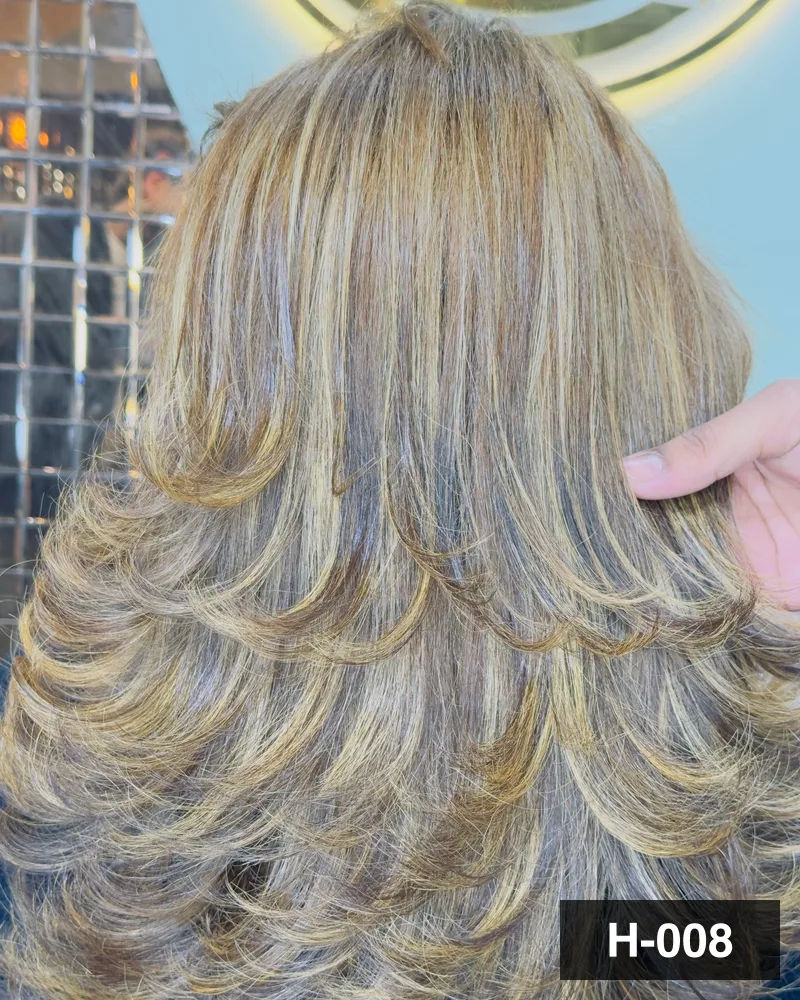
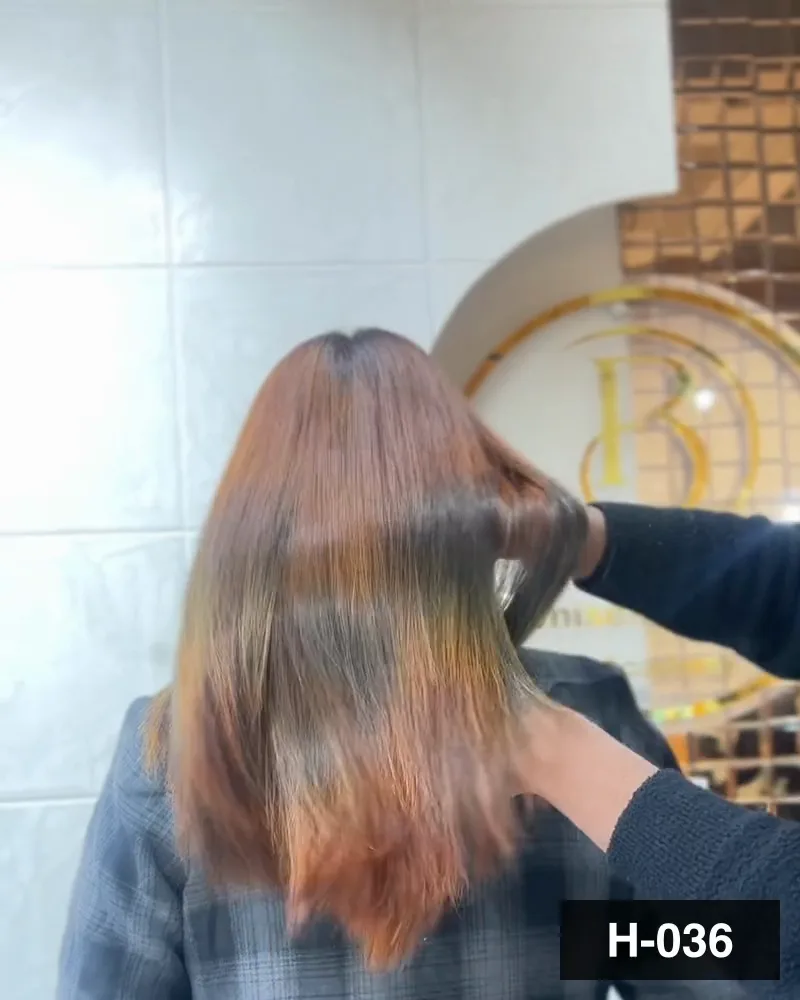
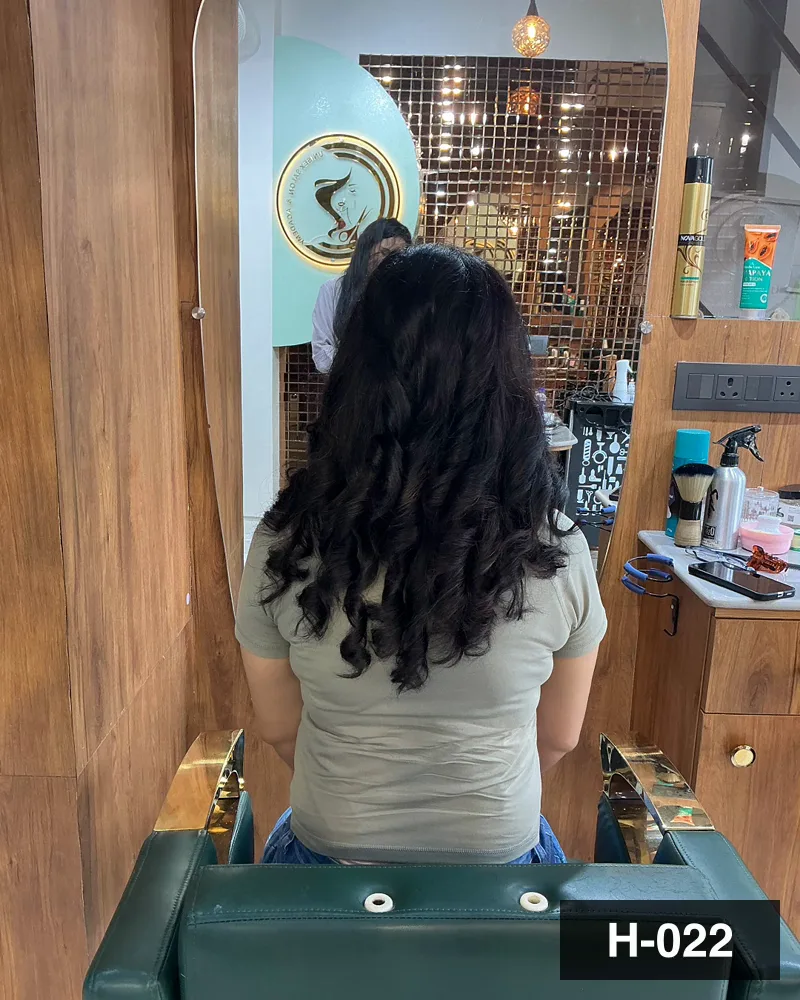
A few frames from each, and the full library behind them. Every photograph carries a reference code — screenshot the one you like and send it to us.
Click any video to open it in full screen.
Salon interior
Inside the salon, before you book it
The actual rooms — photographed empty, on an ordinary day, with nothing moved for the camera.
The rooms
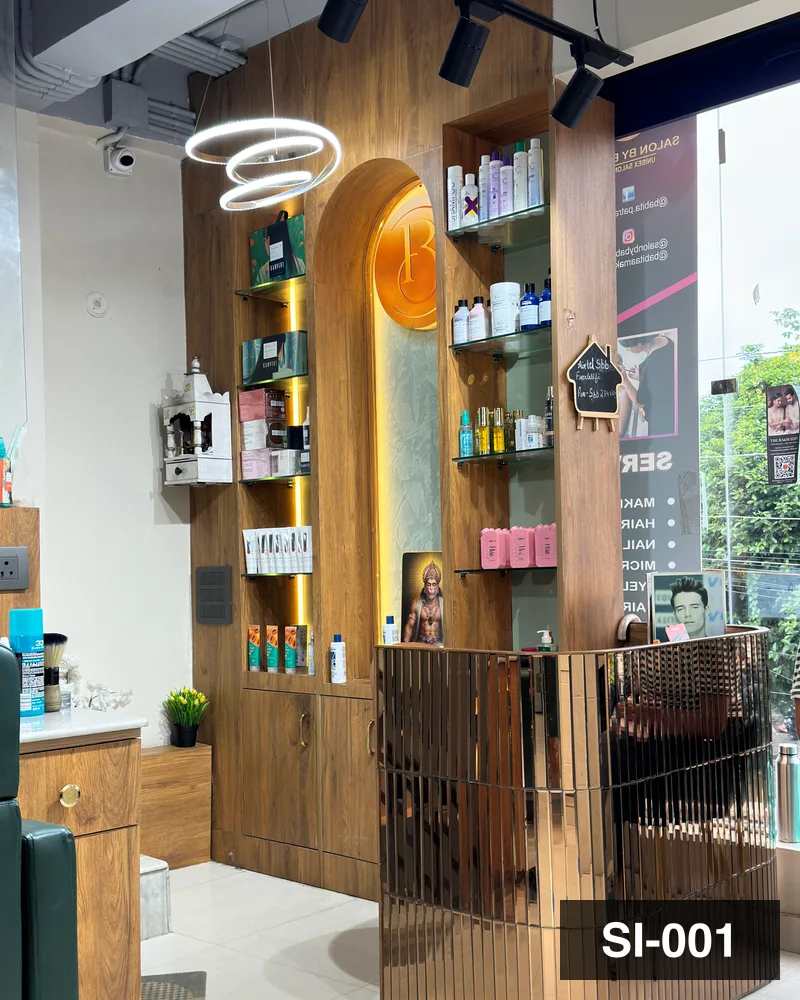
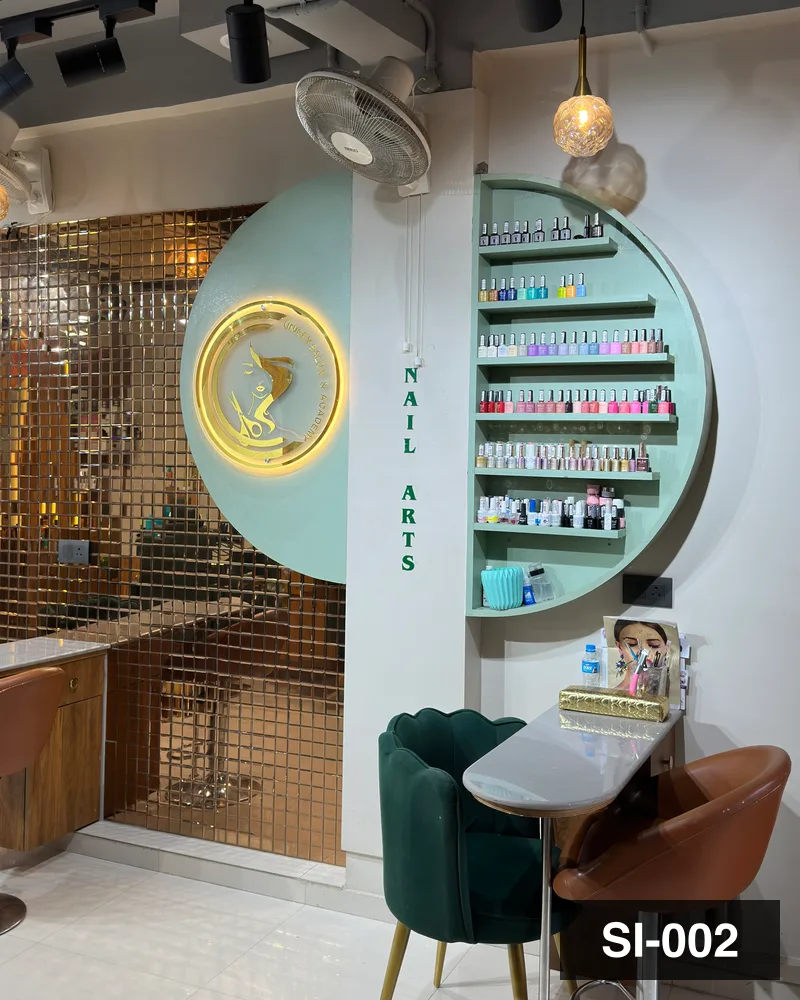
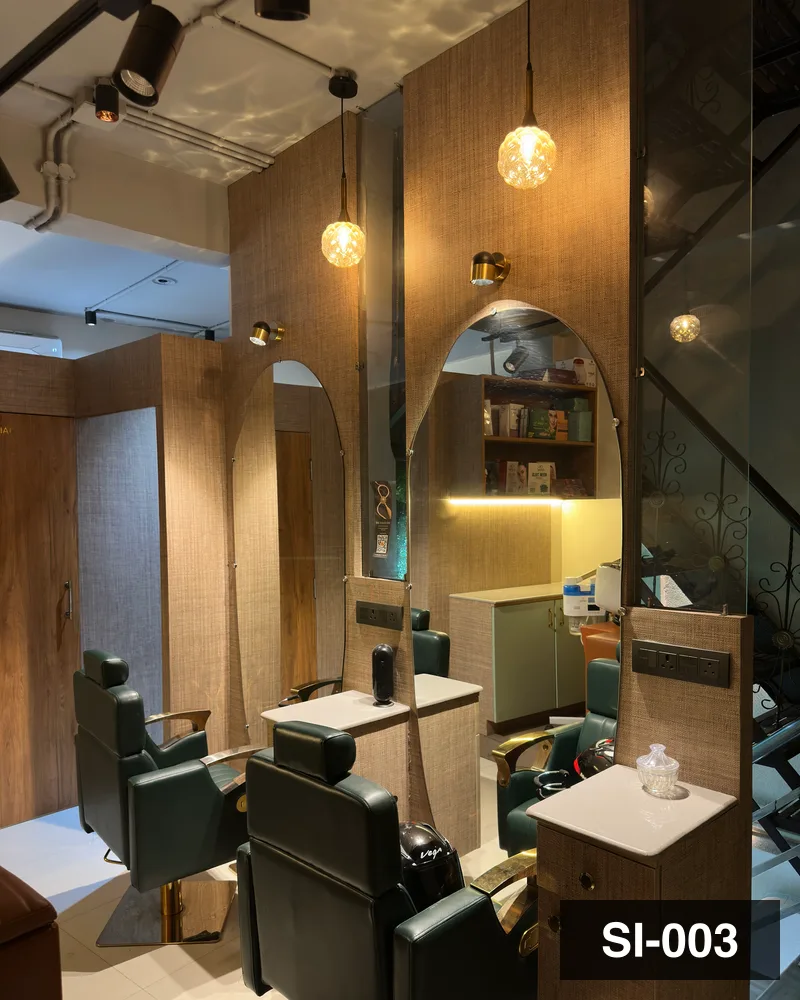
Photographed at Salon By Babita, Haldwani
Makeup
Bridal and party makeup
Photographed in the light the makeup will actually be worn in.
Our makeup work
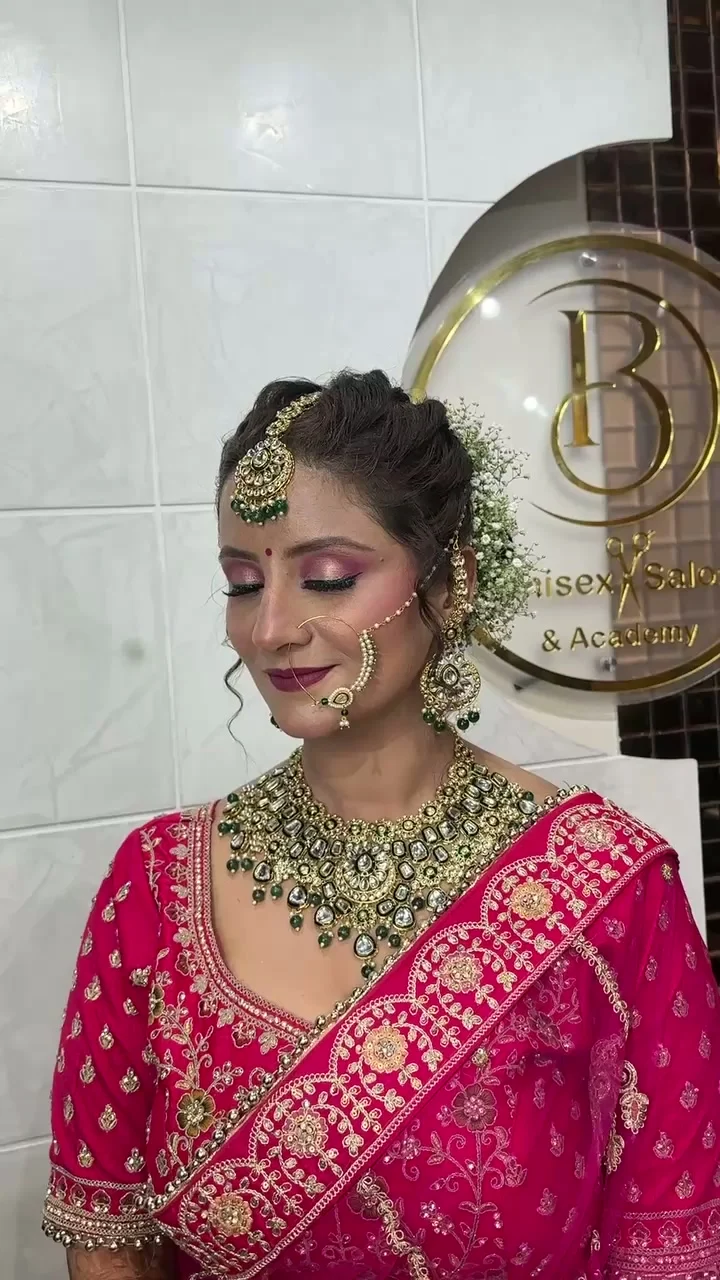
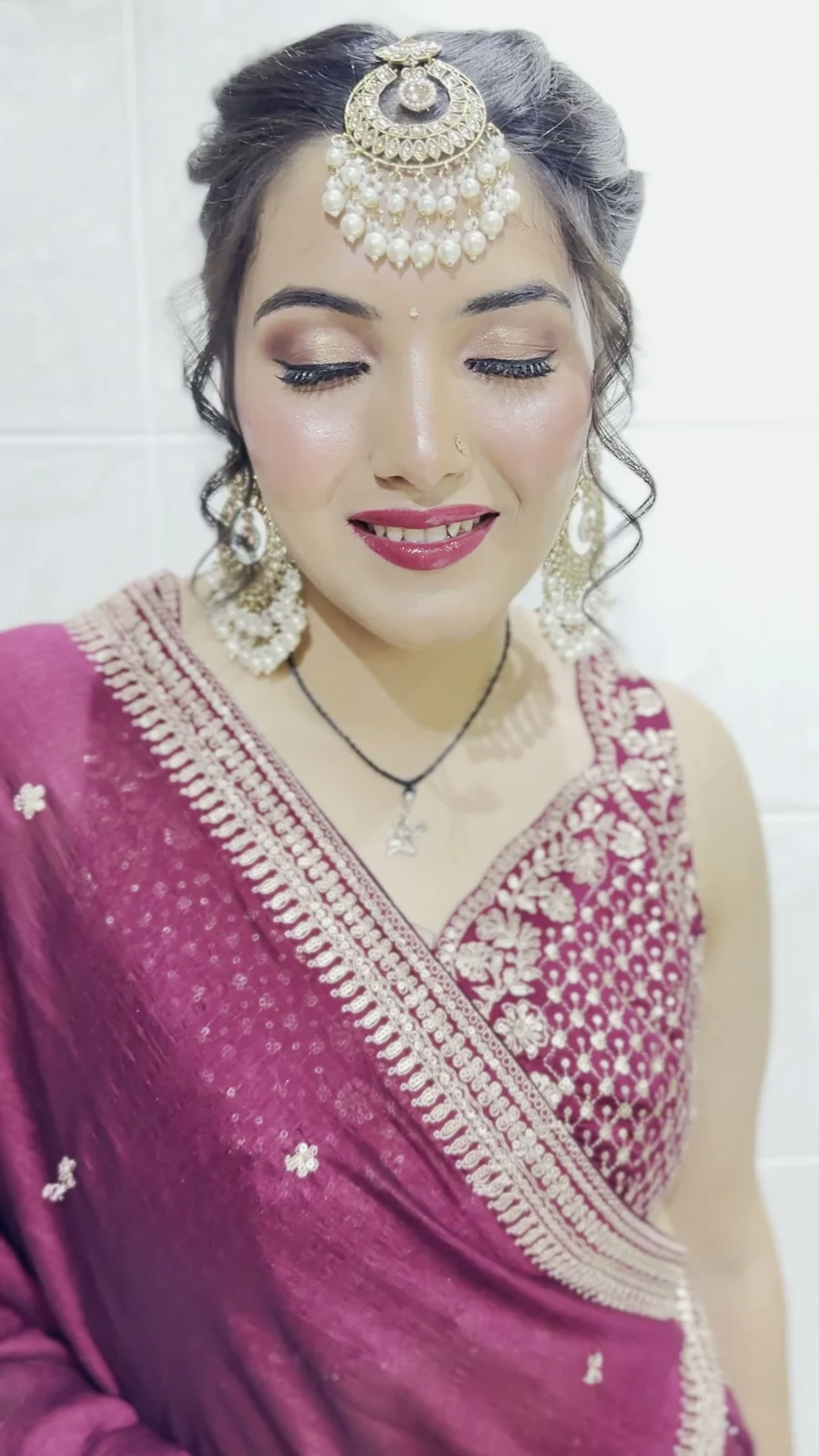
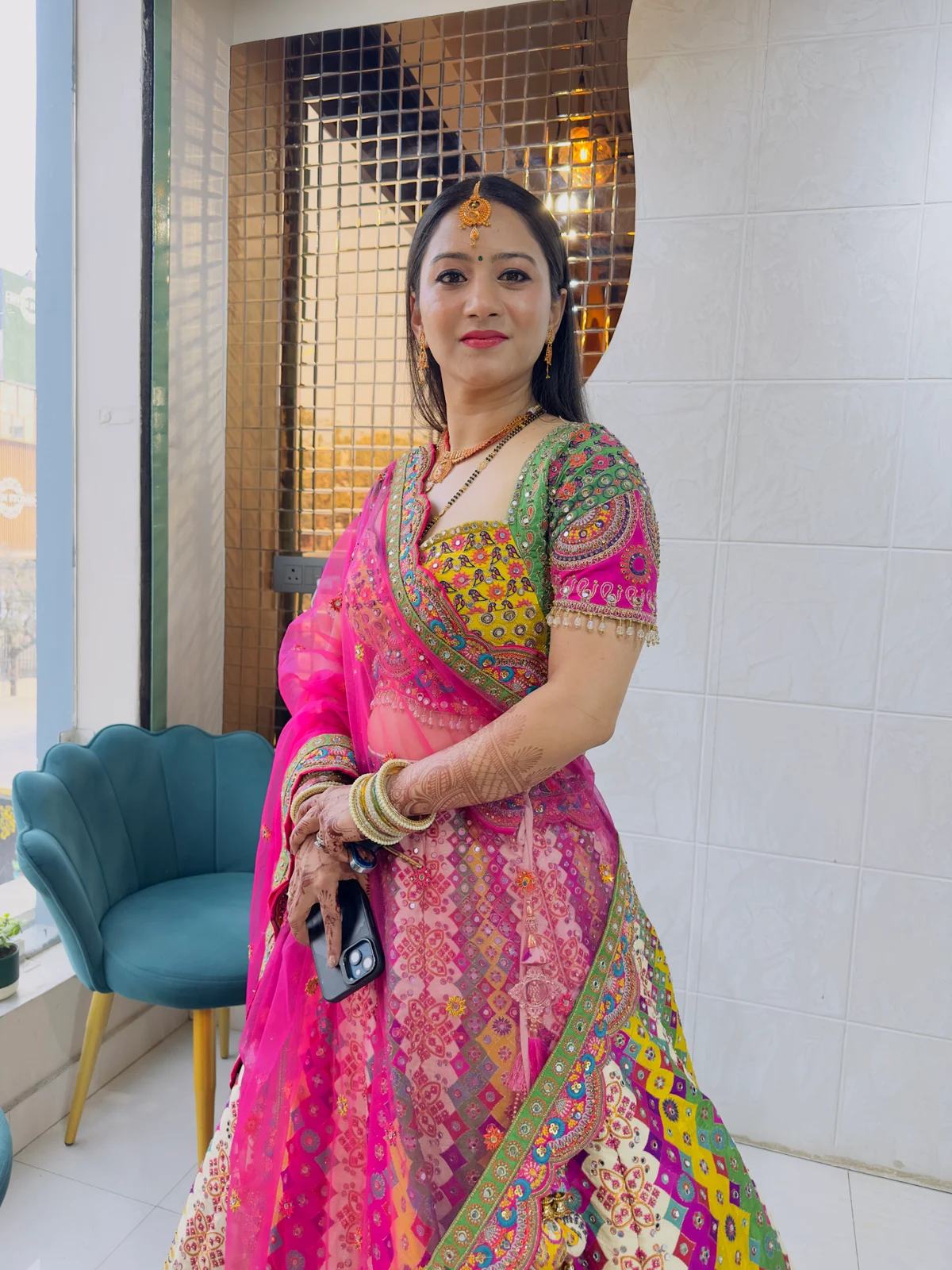
Photographed at Salon By Babita, Haldwani
Tap to still the frame · Pinch to study the detailClick to still the frame · Double-click to study the detail
Nails
Nail extensions and nail art
Shown at the cuticle line, which is where a set is actually judged.
Our nail work
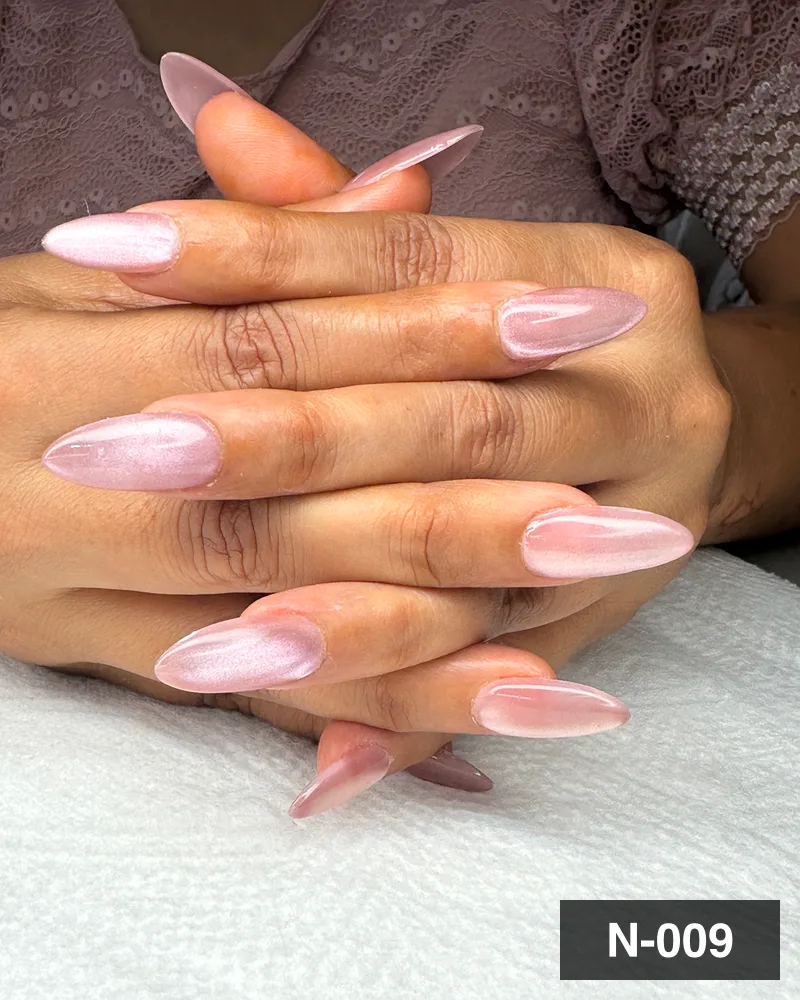
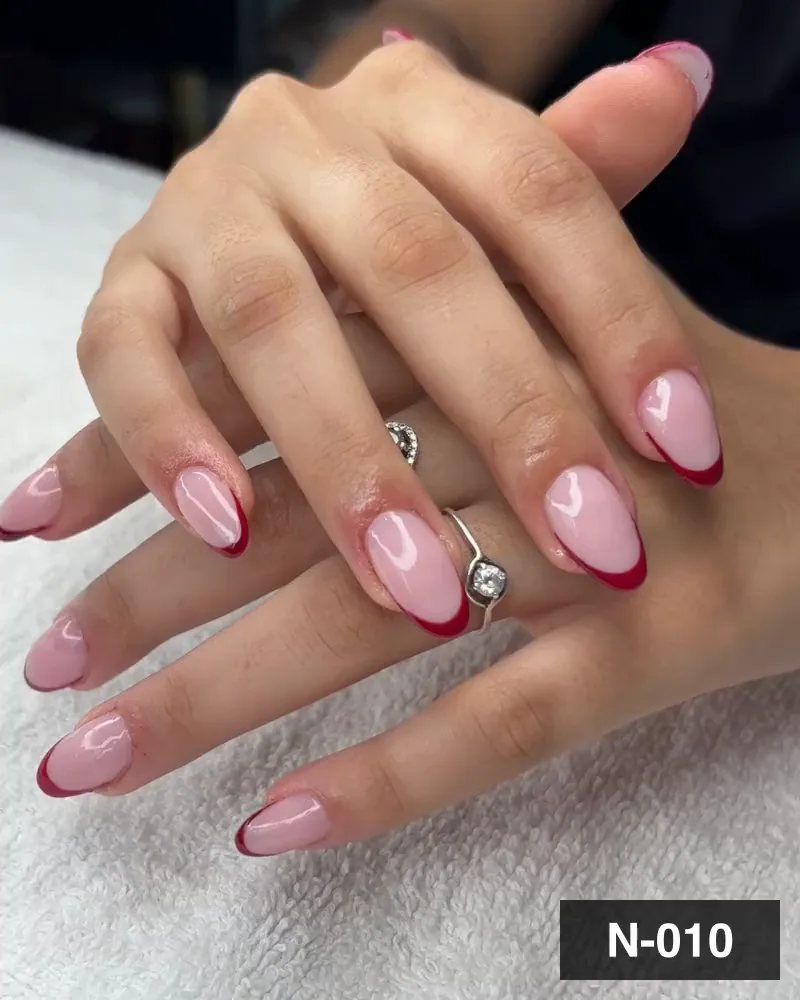
Hair
Cutting, colour and smoothing
Shape, weight, tone and shine — photographed from behind, in the salon, unstyled by a camera.
Our hair work
Want to see work closer to your own?
Tell us what you are considering. Where we have consented work that matches, we will send it directly — and where we do not, we will say that instead of showing you somebody else's.